
Service Cluster 04 / Four
Resilience is a practical discipline; it works because it has been tested, not because it has been written.
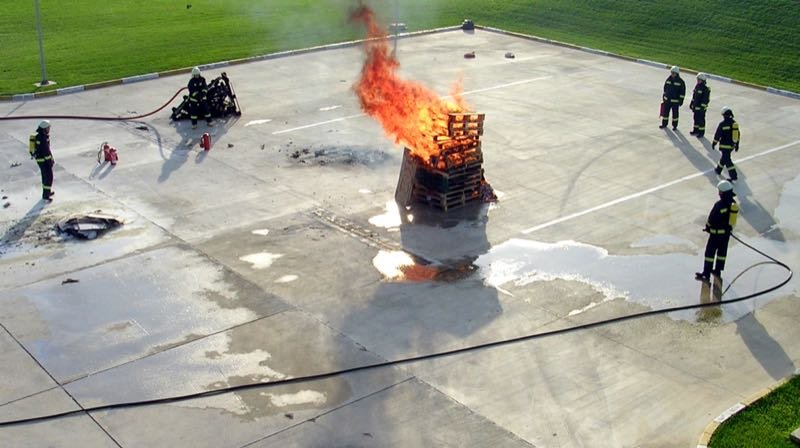
From emergency exercises to climate scenario tests, from business continuity planning to capacity building — two decades of field craft.
 Service Cluster 04 / Four
Problem
When was your plan last tested against a real scenario?
An organisation's resilience is not measured when it is written down; it is measured when it is hit by a real disruption. Fire, earthquake, cyber attack, supply disruption, climate event, pandemic — the types of crisis change, but the discipline of preparedness is the same at its core: build the plan, keep it playable, test it. Solo Institute is one of the longest-standing practitioners of this discipline.
Method
Four modules
Business Impact Analysis (BIA) and Risk Assessment
- Critical processes, RTO / RPO thresholds
- A combined map of traditional, climate and digital threats
- Impact categories (revenue, customer, regulation, brand)
Business Continuity and Emergency Planning
- BCP within the ISO 22301 framework
- Emergency Management Plan (EMP), crisis management framework
- Call lists, escalation maps, recovery sites
Exercises and Scenario Testing
- Tabletop exercises
- Functional exercises (in the field)
- Full-scale crisis simulations
- Climate scenario tests (flooding, drought, cold wave, heat wave)
Training and Capacity
- Executive training for crisis management teams
- Incident scene management (ICS)
- First aid, fire response, search and rescue
- Multi-organisation scenarios with joint-working protocols
Outputs
What you receive, concretely.
- BCP / EMP document set (ISO 22301-aligned)
- Exercise report + improvement roadmap
- Training programme + certification
- Annual maintenance calendar (to keep the plan alive)
- Resilience scorecard for the board
Framework
Standards and frameworks
- ISO 22301
- Business Continuity Management Systems
- NFPA 1600
- Emergency / Continuity Management
- BS 25999
- Previous BCM standard
- ICS
- Incident Command System
- TS / EN
- Relevant safety standards
- TCFD
- Physical risk scenarios (for climate testing)
Who it is for
Who it is for
- Manufacturing plants (high in fire, chemical and mechanical risk)
- Port, logistics and transport operators
- Financial institutions (ISO 22301 alignment, regulator expectation)
- Telecom and energy infrastructure providers
- Healthcare organisations
- Supply-chain hubs (with high exposure to climate-physical risk)
Let us plan a scenario.
A half-day tabletop exercise — see how your current plan holds up against a real scenario.